Everyday Meal Habits
Biblical drink (oil)/ Honey blend and the Everyday Habit of How You Build Your Plate
Long before glucose meters and food logs, kitchens had their own quiet rituals. This guide walks through the traditional story of Biblical drink (oil)/ Honey blend and a simple, old-fashioned habit — the order in which you build your plate — as part of an everyday routine, never as a treatment plan.
The Routine Nobody Talks About
Before the first bite of breakfast, a lot has already happened in your head. Here’s what that everyday routine can actually feel like.
What Should Even Be on the Plate?
Every meal starts with a small negotiation — is this too much, too little, the wrong order? The mental noise around a simple plate can be exhausting long before the fork ever comes out.
Mornings That Start Already Tired
Some days the tiredness shows up before the day even gets going, making the first meal decision of the day feel heavier than it should.
The Post-Lunch Energy Dip
That familiar afternoon slump after lunch — the one that makes focus harder and the couch more tempting — is a routine many people quietly plan their whole day around.
The Weight of Deciding Every Meal
Three times a day, every day, there's a decision to make. Over weeks and months, that adds up to a kind of quiet fatigue that has nothing to do with the food itself.
Myths vs. Facts: Sorting Out the Kitchen Noise
A lot of everyday nutrition talk gets repeated so often it starts to sound like fact. Here’s a closer look at three common ones.
Carbohydrates are the enemy and should be avoided at every meal.
Carbohydrates are just one part of the plate. In everyday habit terms, the order and pacing of a meal often matters as much as what’s on it — something worth discussing with a healthcare provider for guidance specific to you.
Fruit is too sugary to include in a mindful meal routine.
Whole fruit comes with fiber and structure that set it apart from other sweet foods. How it fits into your personal routine is best worked out with the professional who knows your history.
There’s a special category of ‘diabetic food’ that solves meal planning.
Most everyday foods can be part of a thoughtful routine. Labels like ‘diabetic food’ are marketing terms, not medical guidance — your care team is the right source for that.
A Simple Method: Rethinking the Order of a Meal
Three small habits, built around timing and sequence rather than restriction. None of this replaces a treatment plan — think of it as a way to structure a meal you’re already going to eat.
Start With Structure, Not Restriction
Many traditional eating habits favor a simple sequence: vegetables and fiber-rich foods first, protein and fats next, starchier or sweeter items toward the end of the meal. It’s a habit of order, not a rule of exclusion.
Set a Rhythm for the Meal
Slowing the pace of a meal — pausing between bites, letting a meal unfold in courses instead of all at once — is an old habit that’s easy to bring back into a busy day.
Add a Little Movement Afterward
A short walk or light tidying-up after eating is a household habit found in many cultures. It’s a simple addition to a routine, and any changes to activity levels are worth mentioning at your next check-in with your doctor.
The Old Kitchen Story Behind Biblical drink (oil)/ Honey blend
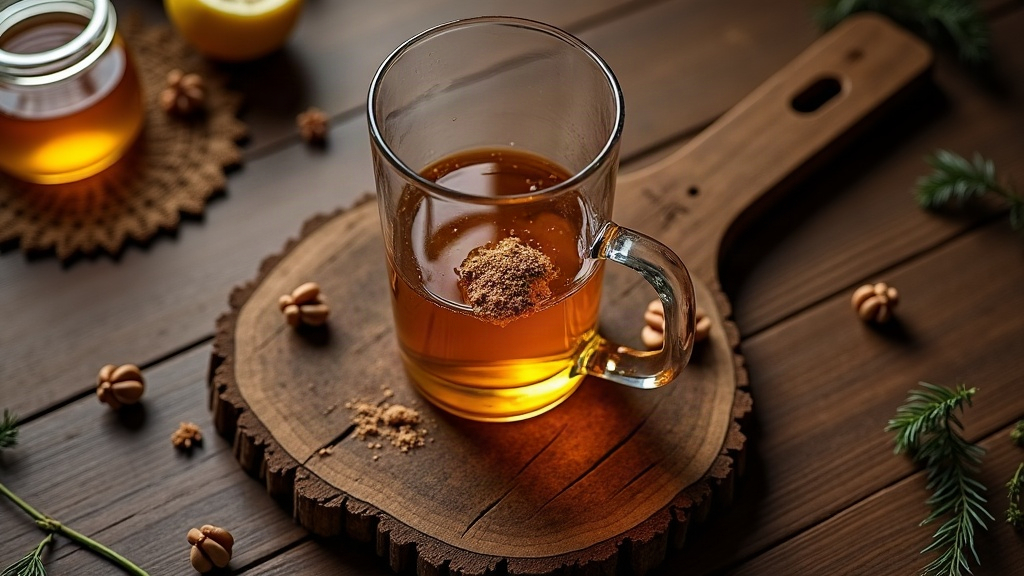
Long before nutrition labels, a blend of oil and honey held a place at the table in kitchens across the Levant and the wider Mediterranean. Olive oil, pressed and stored in clay, was poured generously over warm bread; honey, gathered and prized, was drizzled alongside it or stirred through for feast days and guests of honor. Old texts and travelers’ accounts describe this pairing as a symbol of hospitality — offered at the start of a meal to welcome someone to the table, often alongside herbs, bread, and shared dishes meant to be passed around slowly. It wasn’t measured or dosed; it was simply part of how a meal was set, shared, and lingered over.
What’s interesting isn’t a mechanism — it’s the pace. Meals built around shared bread, oil, and honey were, by nature, slower and more communal. That old-fashioned rhythm is worth revisiting on its own terms. As always, any new food or habit you’re curious about is worth a quick mention to your doctor, especially if you’re managing a treatment plan already.
When It's Worth a Conversation With Your Doctor
Your Energy Feels Unpredictable After Meals
If the rhythm of your energy through the day feels like it's changed noticeably, that pattern is worth describing to the professional who follows your care.
Sleep Feels Disrupted More Nights Than Not
Ongoing changes in sleep are easy to brush off as busy-ness, but they're a good detail to bring up at your next appointment.
A New Food or Kitchen Habit Has Caught Your Interest
Curious about adding something traditional, like an oil and honey blend, to your kitchen? That's a great topic to raise with your doctor before changing your diet in any noticeable way.
Mornings Feel Different Than They Used To
A shift in how mornings feel — energy, appetite, mood — is worth mentioning, even if it seems minor, to the person who knows your health history.
You've Changed a Routine but Aren't Sure It Fits Your Plan
New habits are easy to try, but whether they fit alongside your current plan is a question for your care team, not a guess.
You're Unsure How a New Habit Interacts With Your Treatment
Never adjust, space out, or stop any prescribed medication or insulin based on a new habit or ingredient. Always check with your doctor first.
How Other People Reorganized Their Meal Routine

These reflections describe personal routines shared for illustration only. They are not clinical outcomes, do not describe changes in any medical measurement, and individual experiences vary. Always consult your healthcare provider about what’s right for your own plan.
Build Your Own Everyday Meal Routine
Explore the full guide on plate order, meal rhythm, and the traditional story behind Biblical drink (oil)/ Honey blend. This is an educational resource meant to sit alongside your regular care — always keep your doctor in the loop and never change your treatment or medication on your own.
Advertising Disclosure: This page contains sponsored content and affiliate links. We may receive compensation if you click a link or make a purchase through the links provided. This helps support our work and does not affect the price you pay.
Content Disclaimer: This content is for educational and informational purposes only. It has not been evaluated by the Food and Drug Administration. This information is not intended to diagnose, treat, cure, or prevent any disease, and it is not a substitute for professional medical advice, diagnosis, or treatment. Always consult a qualified healthcare professional before changing your diet, your routine, or any prescribed treatment.
Results Disclaimer: Individual results and experiences vary. The testimonials shared on this page reflect personal routines and opinions and are not a guarantee of any particular outcome.
© 2026 · All Rights Reserved